Fishing was a persistent and organized industry in Amlwch throughout the 19th century, with the trade heavily concentrated in the Bull Bay area. The census identifies several multi-generational fishing families, most notably the Chart (or Chard) family, who were active as fishermen in Bull Bay from at least 1851 through 1891. In 1861, for example, Richard, Owen, William, and Zephia Chart were all recorded as fishermen residing in Bull Bay. By 1891, the younger generation, including John and James Chard, continued the family trade.
Other prominent individuals in the trade included John Jones, William Hughes, and Hugh Williams, who were established as fishermen in Bull Bay as early as 1841. The 1801 census already recognized the role, listing individuals such as John Jones (at St Hall) specifically as a Fisher. The trade was frequently a family endeavor; in 1881, a single household on Alma Terrace included three brothers—John, Joseph, and Owen Jones—all working as fishermen.
The commercial side of the industry included specialized roles such as Ann Rowland, a fishmonger in 1841; Margared Jones, a fishseller in 1851; and Laurence Nolan, a fish dealer in 1881.
In 1881, Griffith Edwards managed the Pilot Boat Inn at Bull Bay and was explicitly designated as a “Publican Of Fisherman.
The physical labor of fishing involved a wide age range, from teenagers like 15-year-old James Chard to elderly community members such as John Hughes, who was still recorded as a fisherman at age 76 in 1891. While Bull Bay was the primary hub, fishermen were also recorded in other areas such as Fron deg, where Owen Davies resided in 1841.
Local fishing likely relied on small-scale, inshore techniques common to Welsh coastal communities, such as hand-lining or small drift nets from rowboats or smacks for species like herring, mackerel, and flatfish. Women and families often prepared bait and lines.
Fish such as herring and mackerel were probably sold fresh at Amlwch’s own harbor or transported by cart to towns like Holyhead and Llangefni for local consumption. Women often handled salting or drying for household use or small-scale trade within Wales, mirroring practices in other coastal villages.
Market day in Amlwch used to be a Saturday and in the early 1800 the wives of the fishermen from Bull Bay had a market stand on the large step which runs along the gable end of the Dinorben Arms. They offered for sale ready-cooked periwinkles in their shells and limpets floating in a brown liquid. They also sold crabs and lobsters and freshly caught fish such as cod, mackerel, and herrings.
Amlwch’s fishing industry has transitioned from a 19th-century local staple to a niche recreational and charter-based activity today. The harbor now supports small-scale angling rather than commercial fleets.
Anglers fish from Amlwch Harbour and Bull Bay rocks, targeting pollack, whiting, wrasse, plaice, and mackerel on sandy-silt or mixed grounds using LRF lures, bait, or metals. Charter boats like Seekat offer trips for up to 10 people, providing gear for novices and groups in all weather.
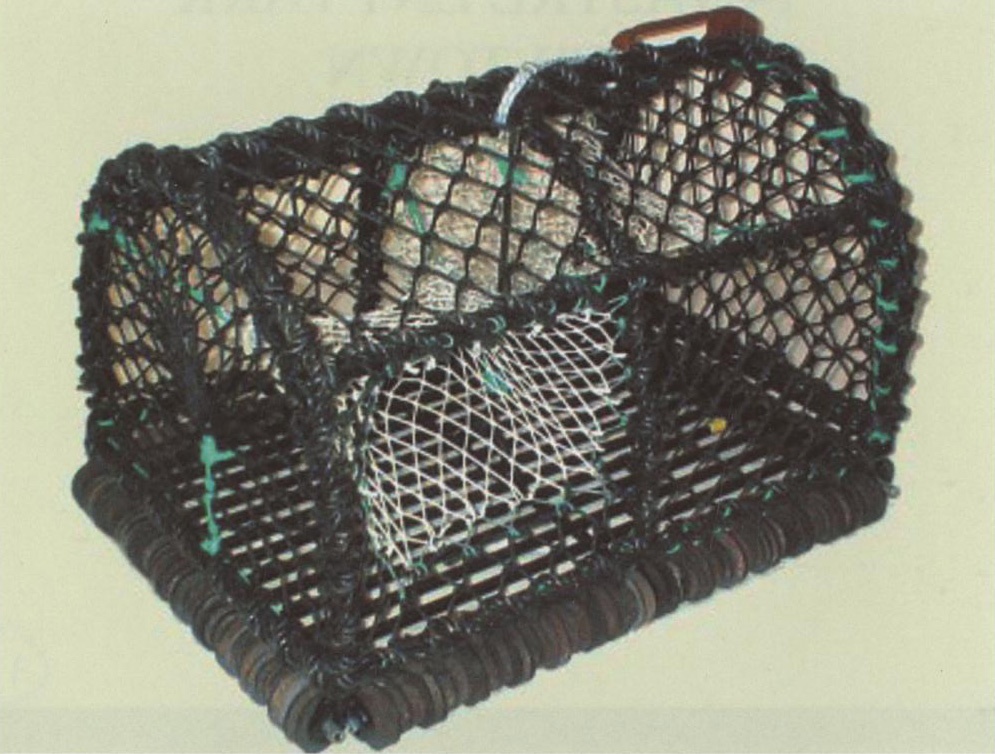
No large-scale commercial fishing fleets operate from Amlwch today. The port supports a handful of small under-10m vessels targeting whelks and queen scallops, as landings data shows Amlwch receiving significant whelk values (£395,753 in recent records).
These vessels form part of Wales’ inshore fleet, primarily shellfish-focused and non-sector (under 10m), with pots or dredges for local catches rather than distant-water trawling.
List of small fishing vessels recorded at Amlwch December 2025